Phase 1 and Phase 2 orthodontics address different needs at different stages of a child’s development. Phase 1 targets a problem that benefits from earlier attention. Phase 2 usually addresses the alignment and bite once more permanent teeth are present. A planned interval may separate them.
At Kumra Orthodontics, we want you to understand why two stages are being considered before your child begins care. Hearing “treatment now, then treatment later” naturally raises questions about timing, cost, and whether the first stage will be worthwhile.
The decision should come back to your child’s diagnosis. Here is how to understand the purpose of each phase, what happens during the break, and which questions can help you assess a recommendation.

What is the purpose of Phase 1?
The American Association of Orthodontists describes Phase 1 as early, interceptive treatment, generally while a child still has baby and permanent teeth. Its purpose is to address a developing issue when the timing offers a useful opportunity.
That goal may involve the relationship of the jaws, space for incoming teeth, or a particular bite problem. We should be able to name the goal for your child rather than relying on the phrase “getting a head start.”
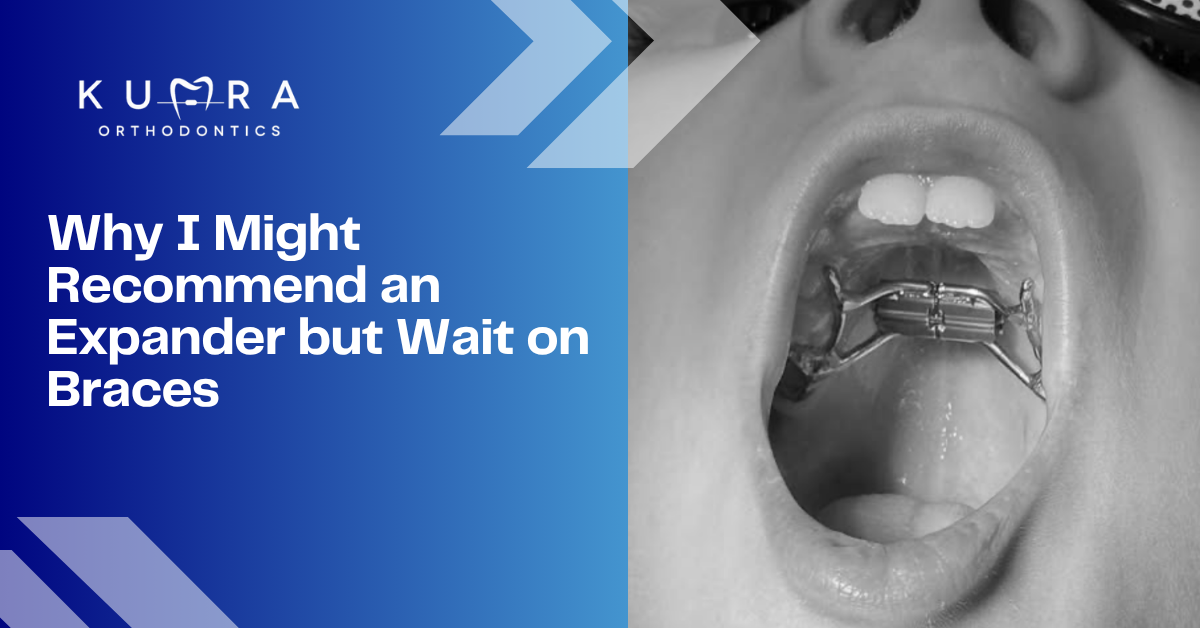
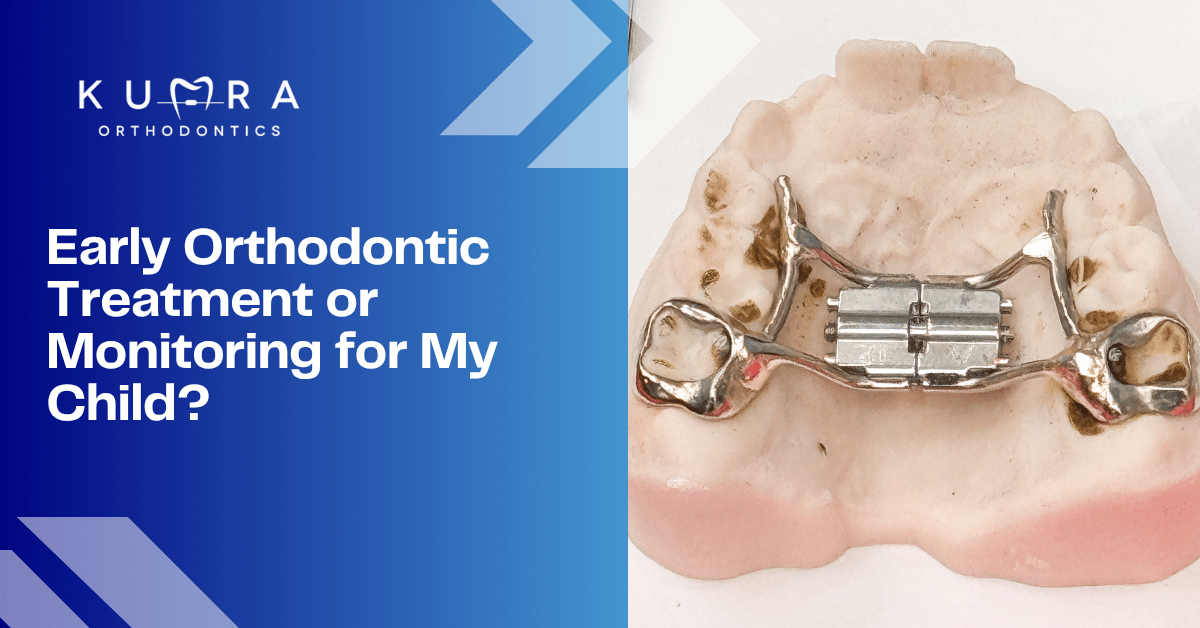
For example, if the concern involves the width of the upper jaw, ask us to explain the finding and how the proposed treatment addresses it. If the concern involves tooth eruption, ask which teeth we are watching and what change we hope to create.
Our kids orthodontics page explains the broader decision between intervention and monitoring. An early evaluation helps us make that decision; it does not commit your child to two phases.
Read more: Early Orthodontic Treatment or Monitoring for your child?
Why can there be a break after Phase 1?
A child may reach the goal of early treatment before the remaining permanent teeth are ready for comprehensive alignment. Continuing growth and eruption can make an interval appropriate. The AAO’s explanation of two-phase care describes this resting period and continued check-ins.
The break can feel confusing if you expected treatment to be one uninterrupted sequence. Ask us to distinguish three things: what has been accomplished, what still needs to develop, and what would signal readiness for the next stage.
You should also understand whether your child needs an appliance during the interval. “A break from active movement” does not by itself tell you whether retainers, other appliances, or follow-up visits are part of the plan.
What happens at an observation visit?
We assess the changes relevant to your child’s treatment plan and discuss the next step. Bring any appliance you have been instructed to bring, and tell us about changes in comfort, fit, or the teeth coming in.
Use these visits to check your understanding. If you expected Phase 2 to start by a particular school year, ask whether that expectation still makes sense. Development should guide the decision rather than a date that was only an early estimate.
What is Phase 2 intended to accomplish?
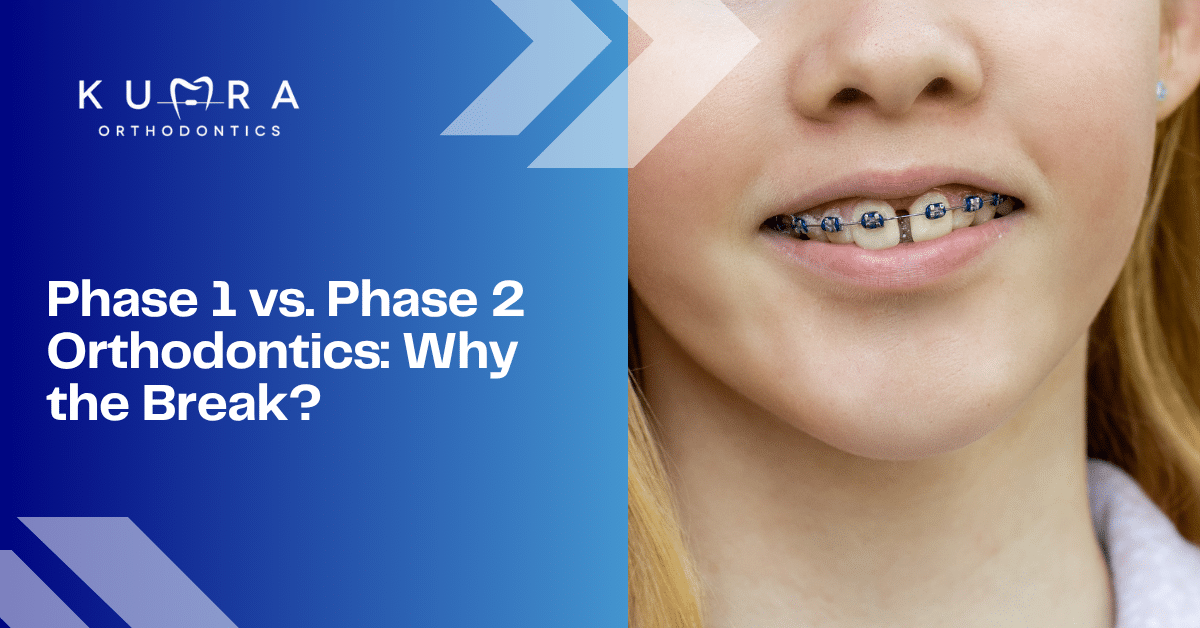
Phase 2 generally involves the permanent teeth and the way the upper and lower teeth fit together. It may use braces or, when suitable, clear aligners. The second stage should have its own explained goals, informed by the earlier treatment and subsequent development.
We will discuss the treatment option that fits the findings at that time. Our Invisalign information can help you understand one possible approach, but an appliance choice cannot be guaranteed years before the relevant assessment.
Before beginning, ask us to show you what remains to be corrected. Understanding that remaining work helps explain why an improvement after Phase 1 does not necessarily mean the full treatment is finished.
How will we know Phase 1 has helped?
Success should be measured against the original goal. Ask what finding we will compare before and after treatment. That might be a bite relationship or another specific feature of development, depending on your child’s diagnosis.
A useful discussion separates visible changes from the reason treatment was proposed. A straighter-looking front tooth may be encouraging, but it may not answer the question about jaw width or eruption that led to care.
You can ask: “What would you consider a successful first phase, and what do you still expect to address later?” We want that answer to be clear before treatment, not something you have to piece together afterward.
We should also discuss uncertainty. Early care cannot promise that your child will avoid every later procedure or that the eventual treatment will take a particular number of months. The plan may need to respond to how your child develops.

What should parents ask about cost and logistics?
When a plan involves two stages, ask which services the current estimate covers. Clarify whether Phase 2 will have a separate assessment and fee. A first-phase estimate should not leave you guessing about the financial arrangement for later care.
Useful questions include:
- What is included in the Phase 1 fee?
- How are observation visits handled during the interval?
- What happens if an appliance is lost or damaged?
- When will we discuss the scope and cost of Phase 2?
- If we move, what records will another orthodontist need?
Keep the written plan and instructions together. If more than one adult helps with appointments or home care, share the instructions so your child is not receiving different reminders from different people.
Read more: How to Clean Your Child’s Palatal Expander
What happens after the final phase?
Retention still matters after active treatment ends. The AAO recommends ongoing retainer wear to maintain orthodontic results. Your child’s schedule and appliance should be explained as part of the final plan.
Our retainer information can help your family prepare for that responsibility. Ask when instructions will be reviewed and whom to contact if the fit changes. Finishing a treatment phase should come with a clear explanation of the care that follows.
Frequently asked questions
Does every child need two phases of orthodontics?
No. Two-phase care is considered when a specific problem benefits from earlier intervention. Many children can have one comprehensive course of treatment. An evaluation helps us explain which approach fits your child.
Does the break mean Phase 1 did not work?
Not necessarily. A planned interval can allow growth and tooth eruption after the initial goal has been reached. Ask us what was accomplished and what we are waiting for before the next phase.
Will Phase 1 guarantee a shorter Phase 2?
No fixed reduction in time can be promised. The value of early treatment should be explained through its specific goal and expected benefit for your child, with its limitations discussed as well.
Should we keep appointments during the break?
Yes, follow the observation schedule we give you. Contact us if you need to reschedule or notice a concern between visits. An interval between active phases can still include ongoing care.
Get a clear explanation of both phases
If your child has been advised to have two-phase treatment, request a consultation with Kumra Orthodontics. Bring the questions that matter to your family. We can discuss what needs attention now, what may be addressed later, and how the stages fit together.