There are two things I want to discuss before you start Invisalign: where the attachments will be and what happens after the active treatment is finished.
The first affects what treatment may look like while you are wearing it. The second affects what you will need to do long after the last aligner. Both belong in the consultation, while you are still deciding.
I want you to choose treatment with a realistic picture of the visible details, the daily routine, and the commitment to retainers. A timeline for moving the teeth only explains part of the experience.

First, let’s look beyond the clear tray
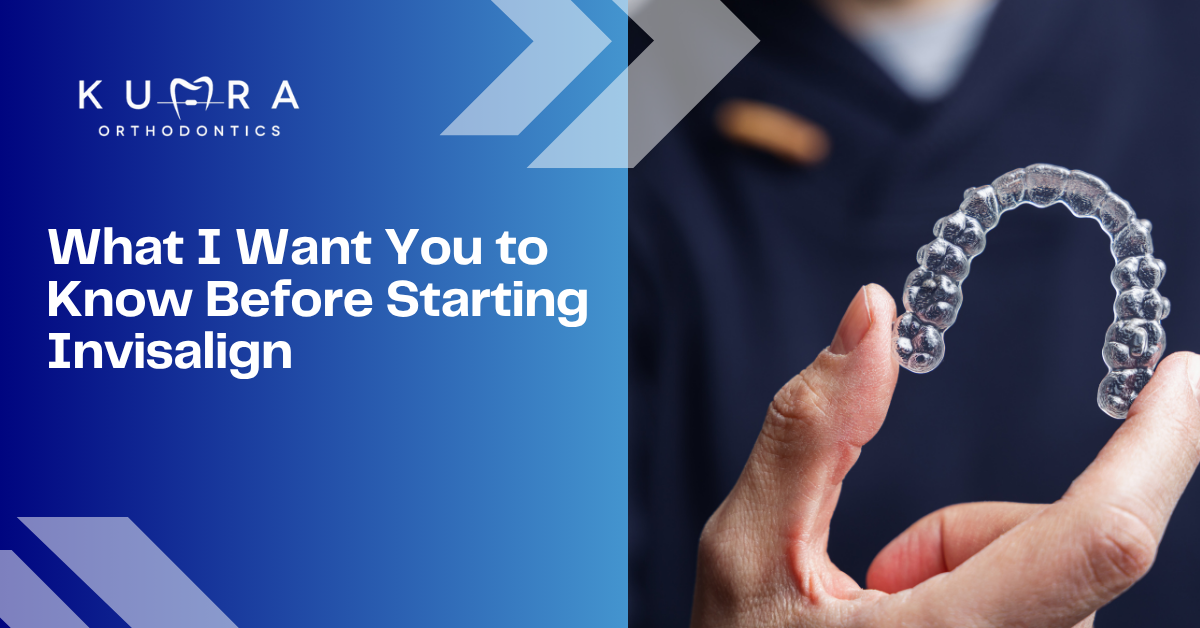
If you picture Invisalign as a smooth, clear shell that comes off for meals, you have part of the picture. Your plan may also include small attachments bonded to selected teeth.
Invisalign describes these tooth-colored attachments as surfaces that help the trays guide tooth movement. Their number and placement depend on the case. They remain on your teeth when you take the aligners out.
That last detail matters. Removing a tray for a meal or photograph does not mean removing everything associated with treatment. Attachments on front teeth can be noticeable, and I would rather discuss their planned position than have you discover that on the day they are placed.
If appearance is one of your main reasons for choosing Invisalign, say so. We can look at what is planned and discuss how it fits with your expectations. “Clear” should not leave you expecting that nobody could ever notice treatment.
The question I want answered is specific: Where are the attachments expected to be on your teeth? Someone else’s smile photograph cannot answer that for you.
Then we need to picture an ordinary day
Being able to remove aligners is useful, but it also gives you a responsibility. They only spend time on your teeth if you put them back in and follow the wear schedule.
The AAO’s clear-aligner guidance describes regular wear, removal for eating and oral hygiene, and progress checks throughout treatment. Your individual instructions should cover how long to wear the trays and when to change them.
Now put that into your actual day. If you eat lunch away from home, what will your routine be afterward? If you tend to snack throughout the afternoon, how will you manage the interruptions? If school or work makes a particular instruction difficult, that is something to talk about before starting.
Those are practical questions, not a test of whether you are a “good patient.” The more accurately we discuss your routine, the more useful the treatment conversation becomes.
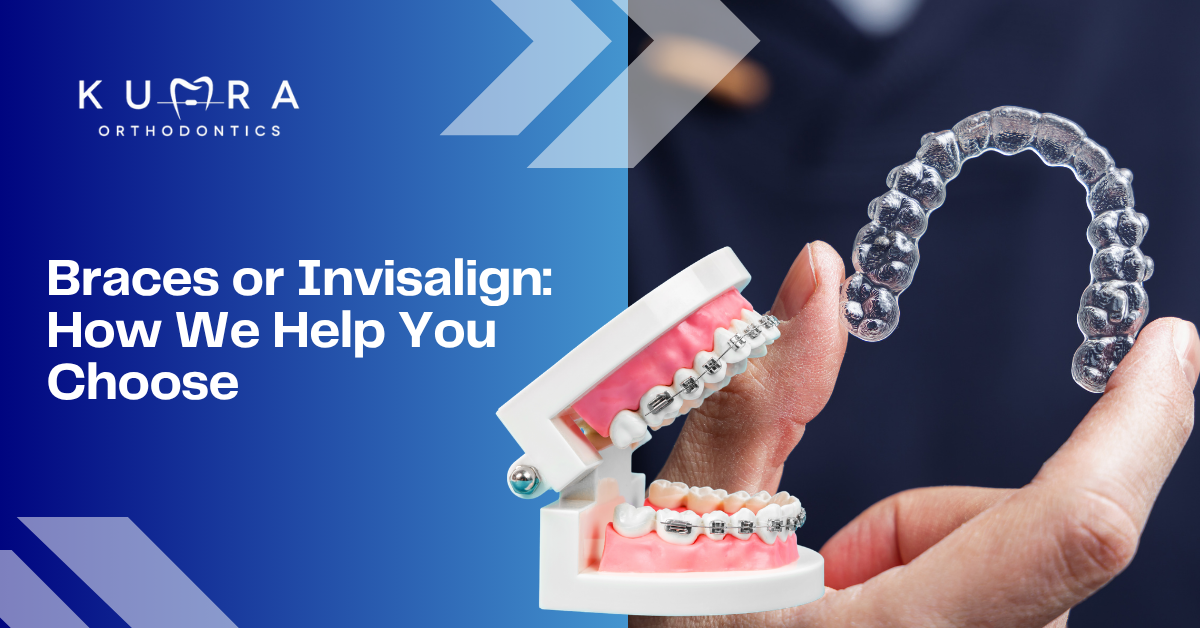
Sometimes Invisalign is a good fit. Sometimes braces are better suited to the case. Sometimes either can work and your preferences help guide the choice. I want the recommendation to account for the tooth movements we need and the responsibilities you can take on.
The last aligner is not the end of looking after the result
This is the point I especially want people to understand: retainers are a lifetime commitment.
You may hear an estimated treatment time and mentally mark that as the finish line. It is the estimate for a phase of care. After we have moved the teeth, we need to help maintain their alignment.
The AAO explains that retainers support the tissues as they adapt after treatment and help maintain tooth position over time. Teeth can continue to shift throughout life. That is why the retention conversation belongs at the beginning.
This does not mean you will necessarily follow the same full-time schedule forever. The type of retainer and wear instructions are individualized. It does mean you should expect ongoing retention rather than a short period after which you can forget about it.
I do not want someone choosing between braces and aligners to believe one option gets them out of that responsibility. Retainers are part of maintaining the result after either approach.
Our retainer information explains that stage of care. During treatment planning, make sure you understand what is included, what replacement arrangements look like, and how to contact the office if a retainer no longer fits properly.
These details can change how you weigh the options
Knowing about attachments may change your expectations about appearance. Thinking through daily wear may change how you feel about removability. Understanding retention may change how you think about the length of the commitment.
That does not mean Invisalign is the wrong choice. It means you are making the choice with the information you will actually live with.
Consider a hypothetical patient who wants clear aligners because of an upcoming event. The useful conversation includes attachment placement and realistic treatment timing not simply whether the trays are clear. Or consider someone who likes the idea of taking trays out but is worried about remembering to put them back. That concern needs to be part of choosing the appliance.
Neither person needs to hide that preference from the orthodontist. It is better to work through it during the consultation than to hope it will stop mattering once treatment begins.
What should be clear before you start?
I would want you to leave knowing these four things:
- Why the proposed appliance fits your teeth and bite.
- Whether attachments are planned and where they are expected to go.
- What the daily wear and care routine will require.
- How retainers fit into care after active treatment.
You should also know how to reach the team if the experience differs from what we discussed. A tray that is difficult to handle or an instruction you cannot follow deserves a conversation, rather than an improvised change to the plan.

Questions that deserve an answer upfront
Can attachments be taken off for photographs?
They are bonded to the teeth and should only be managed by the dental team. Discuss important events before starting so that appearance and timing can be considered in the plan.
Does everyone need the same number of attachments?
No. Placement depends on the movements being planned. A friend’s treatment cannot predict the number or location you will need.
Will I still need retainers if my treatment is short?
Yes. A shorter course of active treatment does not remove the need to maintain the result. Follow the retention plan prescribed for you.
What if I prefer braces after hearing these details?
We can discuss that. The aim is to choose an appropriate treatment you understand, with responsibilities you are prepared to take on.
If you are considering treatment, book a consultation with Kumra Orthodontics. I want the attachment and retainer discussions to happen before you begin, while they can help you make the decision.