One of the most common myths I bust for my teen patients here in DC and Stafford is that straightening teeth is just about cosmetics. But what if I told you that the way your teeth look is only half the story?
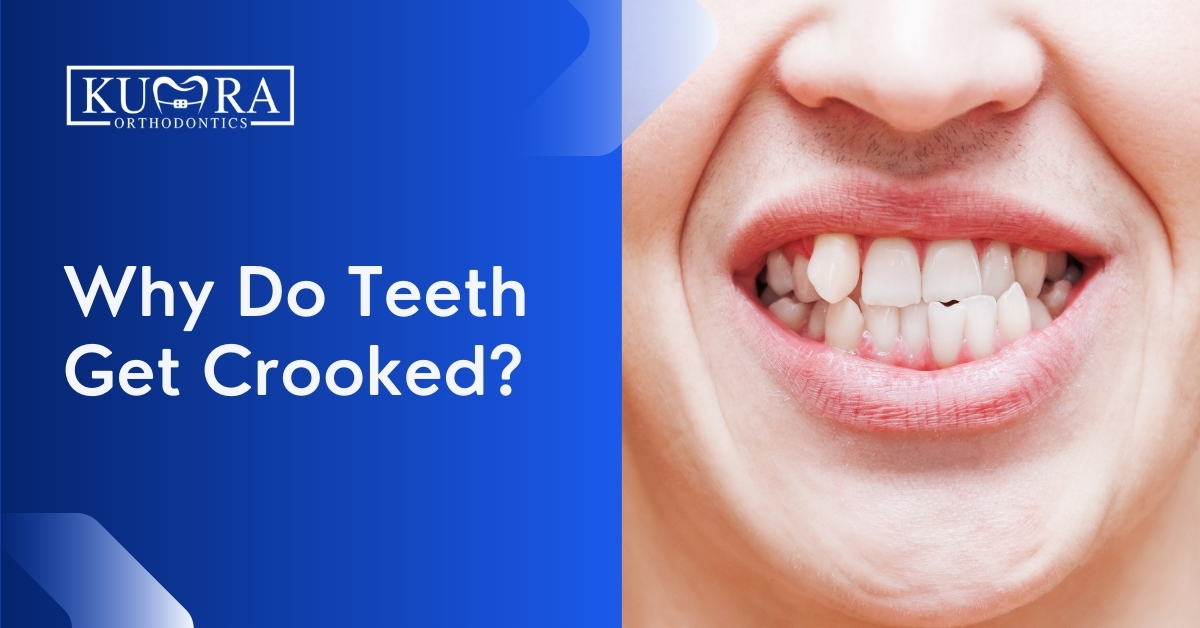
Let’s talk about what’s really going on beyond the mirror. Having crooked teeth, or what we call malocclusion, isn’t just an aesthetic issue, it’s a functional one that can impact your long-term health. We’re going to explore what you can’t see, from jaw pain to how you speak, and show you why a straight smile is a healthy smile.
Numerous factors may affect the size and position of your teeth. This includes some dental practices such as tongue thrusting or even genetics!

Why Are My Teeth Crooked?
Before we cover the “what,” let’s quickly cover the “why.” If your teeth are crooked, it is not your fault. The alignment of your smile is determined by factors mostly out of your control.
- Genetic Blueprints: Sometimes it is the blueprint you were given. You might inherit a small jaw from one parent and larger teeth from another, creating a mismatch.
- Tooth-to-Jaw Size Discrepancy: This is the most common reason for crowded teeth. When there is not enough space in your jaw, teeth are forced to overlap, rotate, or get pushed out of line.
- Early Baby Tooth Loss: Baby teeth act as placeholders for your permanent teeth. If one is lost too early from an injury or cavity, nearby teeth drift into the empty space. This blocks the path for the adult tooth underneath. This is a key reason early orthodontic assessment is so important.
- Childhood Habits: Long-term habits like thumb-sucking or tongue thrusting physically change the shape of your developing jaw, pushing teeth out of alignment.
Related: Overjets vs Underbites
What Causes Crooked Teeth?
Thumb Sucking
A child sucking on the thumb early on should not worry parents. It is fine if parents do not allow the practice to continue for too long. Children who continue to maintain their thumb-sucking habit after the eruption of their permanent teeth can encounter problems.
Continually applying pressure to the still-growing gums causes the teeth to grow crooked, especially outward when this habit persists until toddler age, the likelihood of developing crooked teeth increases.
Tongue Thrusting
The same affects the teeth as thumb sucking. The result can be misaligned bites, especially the overbite, which results in protruding upper teeth.
The pressure applied by the tongue on the back of the teeth can cause your front teeth to move outward. Consequently, a gap, or open bite, is created between your middle top and bottom teeth.
Untreated tongue thrust can cause long-term speech impairment, such as a lisp over particular sounds. It can also extend your face and cause your tongue to protrude from between your teeth.
Misaligned Teeth
Malocclusion occurs when the jaws are smaller than usual, causing some teeth to be out of alignment.
An overbite or an underbite is the result of misaligned jaws. Overbite causes the upper teeth to protrude over the lower teeth, and underbite causes the lower teeth to protrude over the upper teeth.
Genetics
Crooked teeth are frequently passed down to children from their parents. If crooked teeth run in the family, the children will certainly have crooked permanent teeth despite strong dental hygiene routines.
While genes cannot be changed, an orthodontist can develop strategies for removing space, filling gaps, and aligning teeth.
Facial Injury
In the case of a jaw injury in childhood, displaced teeth or misaligned bites may result from trauma to the face. This is because the jaw has shifted slightly from its initial position, causing the teeth to grow crooked.
A facial injury may result in the loss of teeth. Teeth tend to shift to fill in open spaces in the jaw when there is an open space.
Related: Is Invisalign Treatment Effective in Closing Tooth Gaps?

Health Problems Caused by Crooked Teeth
Gum Disease
Straight teeth are frequently healthier teeth since they are easier to maintain. Teeth that are not straight or overlap can be difficult to clean thoroughly and effectively. This can result in plaque and bacteria buildup, which can lead to various oral health issues such as cavities and gum disease.
If left untreated, gum disease can proceed to periodontitis, resulting in tooth loss and bone problems.
Chipped teeth & jaw pain
As crooked teeth produce excessive wear and strain on teeth, they may make them more susceptible to tooth damage. Additionally, this increased wear and tear can place undue strain on the jaw joint, causing jaw pain or even TMJ/TMD.
Sleep Apnea
Crooked teeth not only contribute to oral health issues but also to overall health concerns. Sleep apnea is a lesser-known adverse effect of crooked or overlapping teeth. Patients with a small jaw are more likely to have overcrowded teeth, making it difficult to breathe.
When the jaw is too narrow, we tend to shove our tongues into our teeth or rest the tongue in an uncomfortable position, putting excessive pressure on the teeth and causing them to move. Due to a shortage of tongue space, the tongue may fall back and block the throat while sleeping, resulting in sleep apnea.
Sleep apnea is a dangerous condition that causes patients to stop breathing many times at night and raises the risk of hypertension, stroke, and heart attack.
Your Smile’s Future is in Your Hands

Looking in the mirror and wanting a change is the first step. Understanding that a great smile is also a healthy one is the key to making a smart decision for your future. We are here to help you get a smile that looks amazing, feels great, and functions perfectly for life.