How Long Do You Really Have to Wear a Retainer? An Orthodontist’s Complete Guide
Dr Bob Kumra
You’ve completed your orthodontic treatment, and your smile is looking better than ever. But now comes the crucial retention phase. The big question on your mind is likely, “How long do I have to wear this retainer?” You’ve invested a lot of time and effort into your new smile, and now you want to protect that investment. Let’s get straight to the answer and explore the lifelong philosophy of retainer use.
The Short Answer and the Lifelong Philosophy
The straightforward answer is that you should plan on wearing your retainer for the rest of your life, at least on a part-time basis. While this might sound daunting, think of it less as a lifelong sentence and more like insurance for your smile. At Kumra Orthodontics, we tell our patients to think of nighttime retainer wear like any other healthy habit it’s a small step that provides lifelong protection for the smile you’ve invested in.
Why Retainer Use is Non-Negotiable: The Science of a Straight Smile
What happens if you don’t wear your retainer?
If you have not worn your retainer for an extended period, you should not immediately begin wearing it again. Your teeth may have already begun to shift back to their original locations, and you risk injuring yourself if you attempt to force your retainer in. Your retainer should fit comfortably; if you have to force it back onto your teeth, it is no longer a good fit, likewise, if you leave your retainer in a heated car. If it does not fit over your teeth normally, you will very certainly need to replace it.
Discomfort may arise after a few moments of wearing your freshly discovered retainer. If this occurs, remove the retainer immediately and do not wear it again. This indicates that your teeth have changed significantly and that continuing to wear your previous retainer will result in tooth damage.
Schedule an appointment with your dentist to have your teeth realigned. The longer you wait, the more expensive it will be to correct your teeth’s position. Wearing an uncomfortable retainer may permanently harm a tooth and result in the death of its nerves, necessitating oral surgery.
If your teeth have shifted significantly and your current retainer is causing you discomfort, you may require a new set of retainers to keep them in place. Dentist-provided retainers involve appointments, examinations, and possibly x-rays. A new retainer can mean the difference between four Invisalign procedures and eight, costing thousands of dollars.
While each orthodontist may have a different recommendation, it is normally recommended that you wear your retainer every night for the first year. After that, you can reduce your workouts to 3-5 times per week. It’s ideal for sticking it in at night because you won’t be eating, drinking, conversing, or seeing anyone in public. Assure that you wear your retainer long enough not to cause discomfort. Discomfort is never enjoyable and is easily avoidable!
If you decide to use your retainer after a period of neglect finally, and it fits comfortably over your teeth, consider yourself quite fortunate! The best-case scenario is that you can fit the retainer in – even if it’s a little snug. At the very least, returning to consistent wear of this retainer may help correct this relapse and realign your teeth.
Unfortunately, if you neglect your retainer for an extended period, it is far more probable that you will be unable to fit it over your teeth at all. If this occurs, contact your orthodontist immediately to schedule an appointment. They will construct a new retainer for you to secure your teeth in their current place. This is unlikely to be as desired for many patients, as they will find they had lost some of the straightness they were so enthusiastic about when their braces were originally removed. However, avoiding more shifting is preferable to allowing time to wreak havoc on your recently straightened smile.
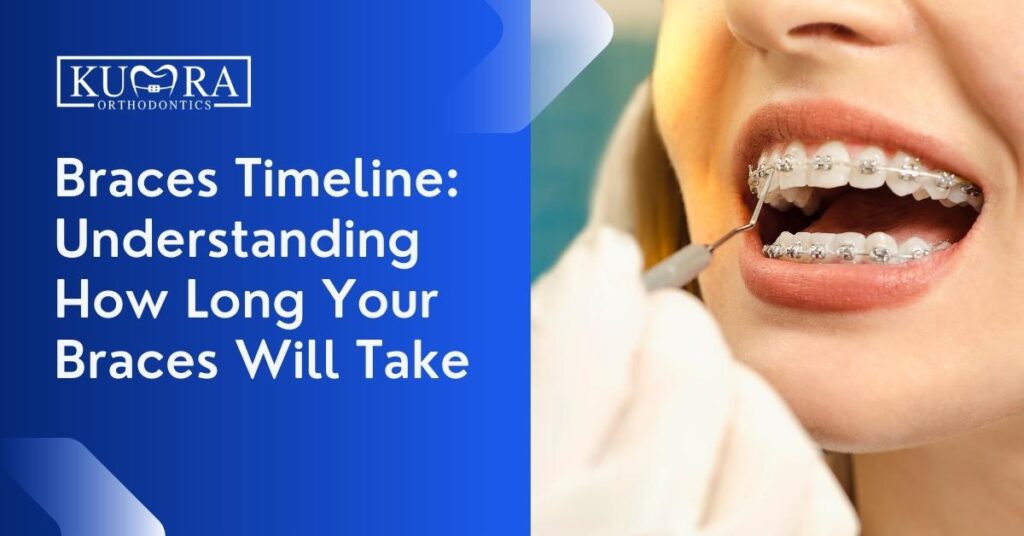
Your Retention Timeline: A Phase-by-Phase Breakdown
To make the idea of “forever” more manageable, we break down retainer use into three distinct phases.
The Full-Time Period (First 3-6 Months)
Immediately after your braces are removed, your teeth are at the highest risk of shifting. For this reason, you’ll likely be instructed to wear your retainer full-time, typically around 22 hours a day. You should only remove it for eating, drinking anything other than water, and brushing your teeth. This initial phase is critical for the initial stabilization of your teeth.
The Nighttime Transition (6 Months to 2 Years)
Once your orthodontist gives you the green light, you can transition to wearing your retainer only at night. While you have more freedom during the day, this phase is still crucial for maintaining the alignment of your teeth as the bone continues to solidify around them.
Lifelong Maintenance (Year 2 and Beyond)
This is the “smile insurance” phase. To prevent age-related shifting and ensure your smile stays put for life, you’ll need to continue wearing your retainer a few nights a week indefinitely. If you’re unsure what phase you’re in, our team in DC and Stafford can help. Schedule a retainer check-up today.
Can You Wear an Old Retainer?
You can usually continue to use your retainer as long as it has not been broken and still fits into your mouth, even if it is a little bit uncomfortable. This indicates that the retainer is still doing its job and that your teeth have not shifted to the point where it is no longer necessary.
After you have reinserted the retainer, it is likely that it will feel uncomfortable for a few days, but this is because your teeth will move ever-so-slightly to accommodate it. In most cases, the discomfort will subside after the first few nights of wearing it on a nightly basis.
If you have received an injury or trauma to the teeth, if your retainer is damaged, or if your teeth have moved too much for your retainer to fit back in, you should not attempt to wear the previous retainer.
If you haven’t been using your retainer as directed and have noticed that your teeth are moving out of place, there is a possibility that your old retainer can be used to correct the problem. However, depending on how worn out the retainer is, it may end up doing more harm than good if you continue to use it. How long you’ve been without your retainer is the most important factor to consider here:
A few days or a week
If you take off only a few days or a week from wearing your retainer, there is a good chance that it will continue to fit properly and be able to correct any slight alterations to your smile.
A few weeks or a month
Your retainer may no longer feel comfortable to wear after a length of time that is significantly longer, such as a few weeks or a month. Contact your orthodontist to find out if it is okay for you to continue wearing it.
A few months or years
Do not even bother putting an old retainer in your mouth if it has been several months or years since you last wore it. It is quite improbable that it will fit, and if it does, it might get caught, which would be painful and might even cause harm to your teeth and tissues. Make an appointment with your orthodontist instead, and remember to bring the retainer you’ve been using all this time. They might be able to make some adjustments to the retainer you already have, or they might determine that a new retainer is necessary.
You will eventually outgrow the requirement that you wear a retainer over the course of time, particularly once the permanent alignment of your teeth has been established. Over the years, there is a possibility that the alignment will shift again. It’s possible that you’ve found yourself seeking a means to straighten your smile once again. This could be the result of improper dental care habits, missing teeth, or wisdom teeth that have become impacted.
You’ve Noticed Your Teeth Have Already Shifted?
It’s okay, and there are solutions. Depending on the extent of the shifting, we might recommend a new retainer, an “Invisalign Touch-Up,” or in some cases, a short course of braces. Noticing a shift? Let’s fix it before it gets worse. Explore your treatment options with a free consultation.
Why Teeth Shift After Braces
For braces to be effective, tension must be applied to the teeth using brackets and wires. This causes the teeth to be moved into a more aligned position. When that pressure is removed, such as when your braces are taken off, your gums and bone may seek to revert to the mismatched conditions.
Following the removal of your orthodontic braces, you will need to wear a retainer in order to preserve the new alignment of your teeth. It is required that a retainer be worn continuously for the period of time that has been determined. The period of time that you are required to wear your retainer will decrease if your gums and bone have suitably adjusted to support the new position of your teeth. Your teeth will shift back to their original position if you do not follow the regimen that your orthodontist gives you or if you wear your retainer on an as-needed basis.
When A New Retainer May Be Needed
Once your teeth have reached their final, desired positions, however, your orthodontic therapy is not finished. It will take some time for the supportive tissues in your gums and jaws to mend and fully cement the effects of the procedure.
Following treatment, it is recommended that you wear a retainer so that your teeth can be kept in their new places while the rest of your mouth heals. In many instances, you will need to wear a retainer for the rest of your life at least a few times per week in order to keep your teeth in their proper position. This is due to the fact that as you continue to develop and age, your mouth will continue to alter its form. Investing in a retainer after having your teeth straightened is the greatest way to make sure they stay in their newly-adjusted positions for the rest of your life.
As a result of stopping wearing your retainer or not following your orthodontist’s instructions for how long to wear your retainer, you may have noticed your teeth shifting back to their misaligned position. Your smile may only require a brief period of time spent wearing braces in order to be realigned, and your orthodontist can help you through the process.
Let’s break down the practical aspects of retainers that often go unaddressed.
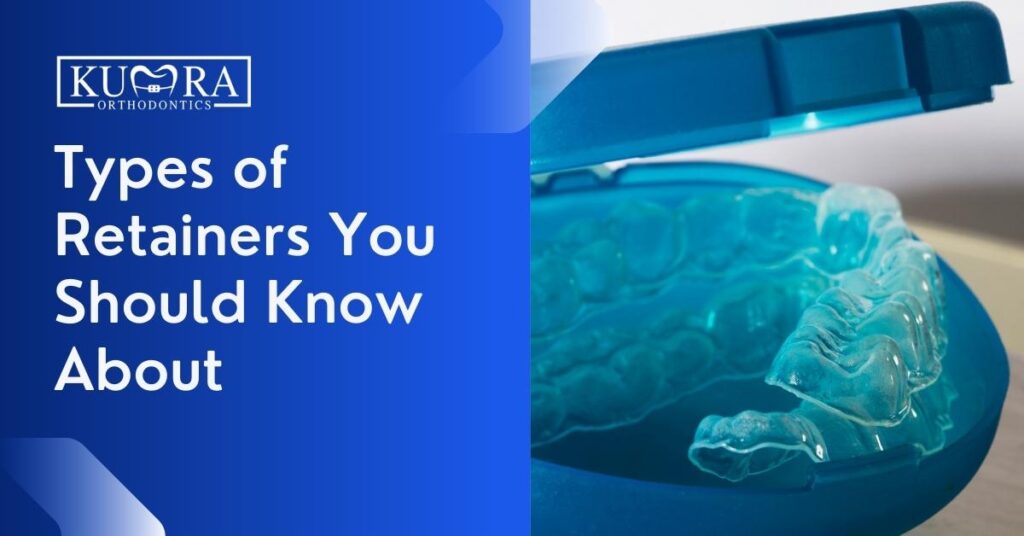
Which Retainer is Right for You? (Fixed vs. Removable)
There are a few different types of retainers, and the best one for you will depend on your specific needs. Here’s a quick comparison:
Retainer Type
Pros
Cons
Hawley (Wire)
Durable, adjustable, allows teeth to settle naturally.
More noticeable than clear retainers.
Essix (Clear)
Virtually invisible, comfortable.
Can wear out faster, may need replacement more often.
Fixed (Permanent)
You don’t have to remember to wear it, works 24/7.
Can be difficult to clean, may require dietary adjustments.
The Real Cost: Investing in Replacement Retainers
While we can’t provide an exact price without an examination, it’s important to understand that replacement retainers are a part of long-term orthodontic care. Think of this cost as protecting your much larger initial investment in a straight smile. Ask about our replacement retainer programs during your visit.
How to Make Your Retainer Last: Essential Care Tips
Do clean your retainer daily with a soft-bristled toothbrush and non-abrasive toothpaste.
Don’t use hot water, as it can warp the plastic.
Do store your retainer in its case when you’re not wearing it.
Don’t use harsh mouthwash or denture cleaners unless approved by your orthodontist.
Do bring your retainer to your dental check-ups for inspection.
Your Partner in a Lifelong Smile: Kumra Orthodontics
From your initial consultation for braces or Invisalign to long-term retainer care, our team at Kumra Orthodontics is here to support you every step of the way. Our expertise and modern technology ensure you receive the best possible care at our locations in Washington, DC, and Stafford, VA.
Whether you’re a former patient or new to the area, Kumra Orthodontics is your partner for a lifetime of healthy smiles. Schedule your consultation today to ensure your smile stays perfect for years to come at Kumra Orthodontics.