Yes. If you want to maintain your orthodontic results, plan on wearing retainers for life. That does not necessarily mean wearing a removable retainer all day, every day. We will explain the schedule that fits your teeth and tell you when it is appropriate to change it.
At Kumra Orthodontics, we want you to understand retention before you start braces or Invisalign. It belongs in the same conversation as treatment time, cost, and what your appliance will look like. You should know what keeping your result will involve before you commit to creating it.
The word “forever” can sound overwhelming. In practice, the goal is to build a manageable routine and know what to do when something changes. Here is how we think about retainer wear, care, and the questions worth asking before treatment ends.

Why do teeth need retainers after treatment?
Braces and aligners move teeth by applying controlled forces. The supporting tissues then adapt to the new positions. Removing the appliance does not make the teeth permanently immovable.
The American Association of Orthodontists explains that tooth movement can continue throughout life. Retainers help maintain alignment after active treatment. Without consistent retention, some people need additional treatment when their teeth shift.
This is why we want you to think beyond the day your braces come off. Straightening teeth and maintaining their positions are connected parts of your care. A result that looks good today still needs a plan for the years ahead.
If you had orthodontic treatment as a teenager and now notice crowding, tell us about your earlier treatment and retainer use. We can assess the current situation without expecting you to remember every detail of care from years ago.
Ask us to write the instructions down if that would help. A plan that is easy to follow is more useful than one you are trying to reconstruct at bedtime.
Which kind of retainer might I need?
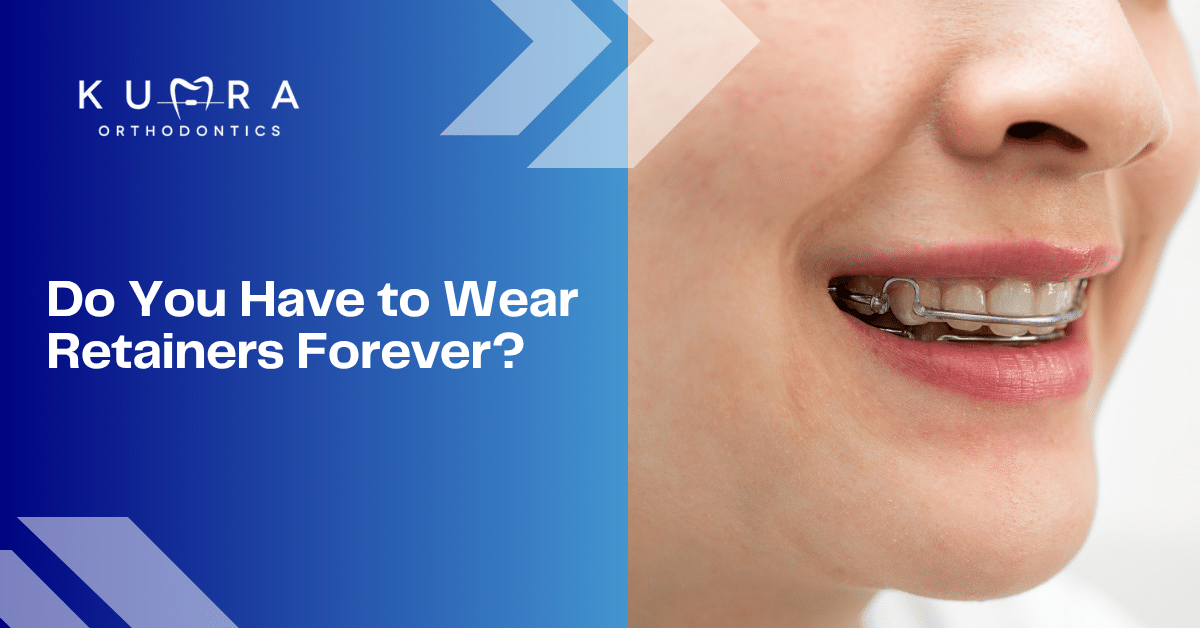
The AAO describes removable and fixed retainers. Removable options include clear trays and wire retainers with an acrylic base. A fixed retainer uses a wire bonded behind selected teeth.
These designs have different care requirements. Removable retainers need a reliable wear and storage routine. A bonded wire stays in place, but cleaning around it and checking that it remains attached are still important.
Our retainer treatment page introduces the options. At your appointment, ask why a particular design is recommended for you and whether your upper and lower teeth need different approaches.
Tell us about practical concerns before we finalize the plan. For example, you may be worried about remembering a removable appliance or cleaning around a fixed wire. Those are useful details for the discussion, not reasons to feel embarrassed.
Does “permanent retainer” mean no more follow-up?
No. The term usually describes a bonded retainer that you cannot remove yourself. It does not mean the appliance can never loosen or need attention. Ask us which teeth it supports, how to clean around it, and what to report if it feels different.
How can you make retainer care easier?
Keep the routine simple enough to repeat. Choose a regular place for the case and put cleaning supplies somewhere easy to reach. If you travel often, include your case on the same packing list as your toothbrush.
The AAO’s retainer-cleaning guide recommends daily cleaning and avoiding heat that can damage the appliance. Follow the cleaning method recommended for your specific retainer. Ask before trying a new soaking product or household cleaner.
For a removable retainer, build your routine around three tasks:
- Wear it as prescribed. Use a reminder if remembering is the difficult part.
- Clean it using the recommended method. Ask us to demonstrate anything that is unclear.
- Store it in its protective case. Avoid wrapping it in a napkin where it can be mistaken for trash.
If your routine changes during exams, travel, a move, or a new work schedule, adjust the reminder rather than quietly abandoning the habit. Keep our contact information with your care instructions so help is easy to find.
What should you do if the retainer feels tight?
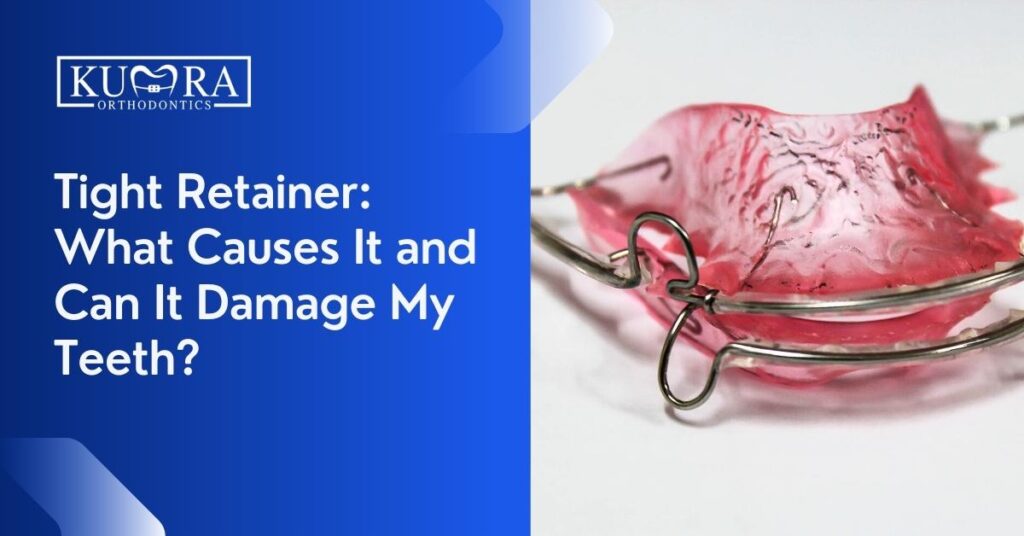
Do not force a retainer that will not seat properly or causes pain. The AAO recommends contacting your orthodontist when a retainer does not fit or hurts. A fit change can involve the teeth, the appliance, or both.
When you contact us, explain when you last wore it, when the fit changed, and whether you see a crack or distortion. Bring the retainer if we arrange an examination. Our orthodontists can assess the fit and explain your next steps.
Do not feel you have to solve the problem before calling. We would rather hear that you have missed wear than have you struggle with an uncomfortable appliance because you are worried about being judged.
Will the same retainer last for life?
Lifelong retention does not mean one appliance will last forever. A retainer may become worn, damaged, or lost. If you need retainer replacement, contact us promptly to discuss the next step.
Before treatment begins, ask what the quoted fee includes. Clarify the initial retainers, follow-up visits, and the process and cost for replacements. Do not assume another patient’s arrangement applies to your treatment.
It also helps to plan for transitions. If you move away or change dental providers, keep a copy of your retainer instructions and ask who should manage future checks. Retention should remain part of your care even when your address changes.

Frequently asked questions
Can I stop wearing retainers after a few years?
We recommend planning for long-term retention. Do not stop or reduce wear without checking your instructions with us. Teeth can continue to change even after years of stable alignment.
Do I need retainers after Invisalign?
Yes. Teeth need retention after movement with Invisalign as well as braces. We will explain the retainer type and wear schedule recommended for your treatment.
What if I forgot my retainer while traveling?
Contact us for advice about resuming wear, especially if the fit has changed. Do not force an appliance that will not seat or causes pain. Tell us how long you have been without it.
Can a retainer fix teeth that have already shifted?
That depends on the amount of movement and the condition of the retainer. We need to examine the fit before advising you. Some situations require a replacement or additional orthodontic treatment.
Make retention part of your treatment plan
If you are considering orthodontic care or need help with a retainer, request an appointment with Kumra Orthodontics. We can discuss how to straighten your teeth and how to look after the result. Bring your questions about daily wear, cleaning, and replacement so you leave with a plan you understand.